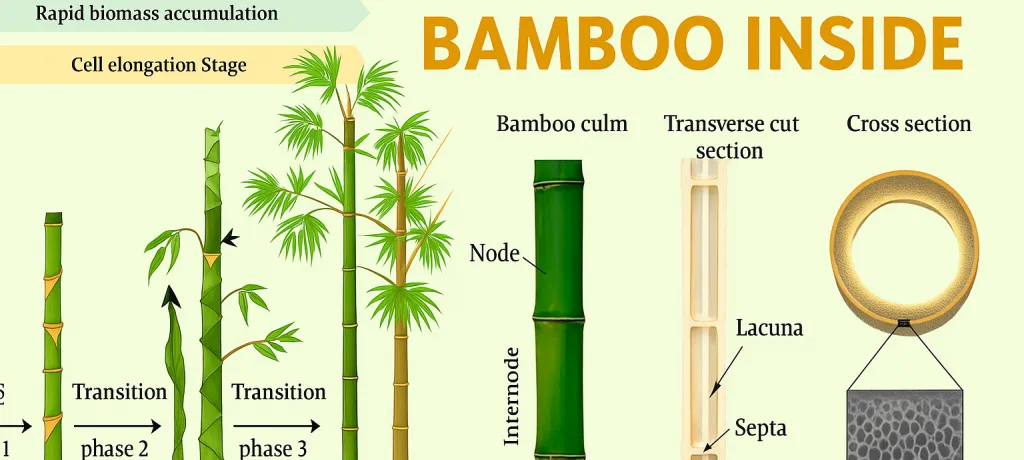
🌱 Comprehensive Guide to Indian Bamboo Farming: Complete State-Wise Details 🌱
🌿 Introduction to Bamboo Farming in India 🌿
Bamboo, known as the ‘green gold’, is a vital resource with significant environmental and economic potential across India. This guide covers detailed aspects of bamboo farming, tailored specifically to geographical suitability and Indian government policies.
📌 Bamboo Species Selection by Indian States
Different regions require different bamboo species based on climatic and geographical conditions:
Assam: Bambusa tulda, Bambusa balcooa, Calamus rotang
Nagaland: Dendrocalamus hamiltonii, Bambusa tulda, Teinostachyum dulloa
Tripura: Melocanna baccifera, Bambusa tulda, Bambusa balc [...]
🌿 Electrify Your Old Excavator – Power the Future Green! ⚡
🌎 Why Stick to Diesel When You Can Go Green?
The future of heavy equipment is electric — and it’s here today!Upgrade your diesel-powered Excavator, Loader, or Earthmoving Equipment into a fully electric, eco-friendly machine and slash your operating costs by up to 70%.
By electrifying your existing JCB 215LC (or any similar excavator), you can not only reduce carbon emissions but also significantly boost operational efficiency and extend the life of your trusted machinery.
🔋 Benefits of Electrifying Your Excavator:
Save up to 70% on daily fuel and maintenance costs.
Lower emissions, contributing directly to a green [...]
Which is the best combination of bamboo and rice husk pellets for efficient energy output and market value?
Bamboo and rice husk pellets are emerging as sustainable biofuels, with bamboo offering higher energy content and lower ash, ideal for industrial use. Rice husk pellets are cost-effective but produce more ash, making them suitable for select applications. A 70:30 mix (bamboo:rice husk) balances cost, durability, and energy output. These pellets are in demand domestically and for export, especially in South Korea, China, and Europe.
Detailed Study on Bamboo and Rice Husk Pellets
2 Ton Per Hour Standard Pellet Plant
1. Comparative Properties of Bamboo and Rice Husk Pellets
Physical and Mechanical Properties
PropertyUntreat [...]
🌱 Biomass Pellets – Sustainable Fuel for a Greener Future | Servoday Plants & Equipments Ltd
Biomass Pellets | Clean Energy Fuel | PelletIndia
🔥 What Are Biomass Pellets?
Biomass pellets are compressed biofuel made from organic materials like wood chips, Napier grass, rice husk, wheat straw, coconut shells, and other agricultural residues. These cylindrical pellets (typically 6-8mm in diameter) are an efficient, clean-burning alternative to coal and fossil fuels.
🌾 Why Choose Biomass Pellets?
✅ Renewable & Sustainable – Made from naturally abundant residues.
✅ Cost-Effective – Saves up to 60–70% compared to diesel or coal.
✅ High GCV – 3,800 to 4,500 kcal/kg depending on material.
✅ Low A [...]
❓ How to Formulate a Scientifically Balanced Animal Feed Pellet Recipe Using Local Ingredients?
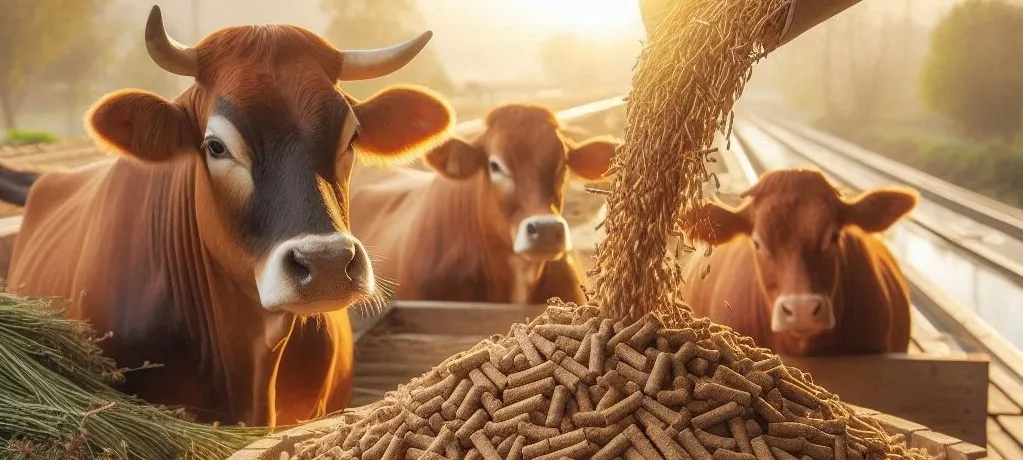
India’s diverse agro-climatic regions offer a rich variety of locally available feed resources that can be scientifically blended to formulate balanced animal feed pellets. By leveraging state-specific crops like maize, sorghum, rice bran, oilseed cakes, and green fodder, farmers can reduce costs and enhance livestock productivity. A region-wise feed formulation not only ensures nutritional adequacy but also promotes sustainable and cost-effective dairy and livestock farming. Here’s a state-wise breakdown of optimized feed pellet recipes tailored to local ingredient availability.
🐄 Animal Nutrition Key Points
🔹 1. Nutrient Categ [...]